Good marketing isn’t about shouting the loudest even if you are a small business or an entrepreneur. In the current digital age, it’s all about telling the right story. A well-curated content marketing plan will help you build a bridge between your message and the people who care to hear it. A few years ago, digital marketing felt like a mystery box. Today, it’s a predictable system when done right, and studying practical content marketing plan examples can help you unlock that system.
At Klic, a Dubai-based digital marketing agency, we’ve seen how a structured content strategy can transform a brand. From content creation to SEO, email marketing, and CRO, we do it all—without asking clients for big upfront payments. Instead we believe in taking the risk along with our clients by opting for a profit-share model.
What Is a Content Marketing Strategy?
Most businesses think that content marketing means you have to post on a specific schedule. However, it is more than this. Content marketing is the foundation on which your brand communicates with the audience and how they manage to make them interested. When establishing a strategy regarding content, you have to think of things like buyer persona, target audience, tone, and the content types you’ll produce.
A true content strategy connects directly to your marketing funnel. On the other hand, businesses that have an ad-hoc social media posting strategy will appear much more confusing for the customer. It maps where your audience enters, what they consume, and how they convert. For deeper insight into this structure, content marketing in digital marketing tells how content integrates with digital channels in the current landscape.
6 Easy Steps to Formulate Your Own Successful Content Strategy

1. Create Goals
Every effective strategy begins with well-defined goals. In this stage, we ask our clients to identify what truly matters to them. It can be brand awareness, lead generation, conversions or something else.
A brand’s goals should always tie to real metrics, not vanity likes. For those who are just starting out, Klic’s content marketing experts can be of use to you.
2. Find the Audience
Next comes defining your target audience and buyer persona. To find your audience, Klic suggests brands to know basic demographics of their audience as well as their preferences and frustrations. Some examples of a buyer persona are:
- Entrepreneur Emma – Runs a startup, needs affordable growth tactics.
- Freelancer Faisal – Wants to learn marketing skills for personal brands.
- Retailer Rania – Owns a boutique, seeks consistent local traffic.
If this is all very confusing, then you need to hire an expert on establishing buyer personas that actually depict your audience.
3. Maintain Relevance
Your brand’s content plan will lose the power of persuasion when it is no longer relevant. In the current landscape, trends also change fast and therefore your content calendar should adapt. Keep your topics timely and audience-focused.
Relevance is also deeply connected to brand reputation through content marketing and public relations. Maintaining topical relevance builds authority and positions your brand as a thought leader rather than just another account posting for reach.
4. Marketing Funnel Alignment
Your marketing funnel is your silent guide. It helps align content with the customer journey by focusing on:
- Awareness
- Consideration
- Decision
For brands looking to get technical, understanding how SEO fits into this funnel is key. Brands might create value for their customer but they won’t get awareness without proper SEO practices relevant in Dubai to come out on top of the search engine results.
5. Content Pillars
Content pillars stand for a larger topic that is very rich and diverse, so it can be explored through multiple mediums. From a content marketing agency perspective, content pillar will include content marketing strategies that include email marketing, SEO, blog writing and much more.
- Education & Guides like “How-to” blogs, tutorials, explainer videos.
- Industry Insights on thought leadership, trend breakdowns.
- Case Studies about showcasing results and expertise.
These pillars help in structuring your content calendar and maintaining authority in key topics. A good example of this approach is multi-channel content marketing, where diversification keeps messaging aligned across all platforms.
6. Grab Attention
Now, your plan needs to capture attention. Most brands put effort into good storytelling or finding an emotional appeal to attract customers. Your brand can also use visual creativity to stand out. A sure shot way of grabbing attention with any kind of strategy is by informing yourself about the latest content marketing trends.
Here’s a sample structure to help you visualize your plan:
|
Step |
Objective |
Tools & Metrics |
|
Define Goals |
Awareness, Leads, Conversions |
Traffic, Engagement, CTR |
|
Audience |
Buyer Persona Research |
Analytics, Surveys |
|
Relevance |
Timely Topics |
Social Listening |
|
Funnel |
Awareness to Decision |
Conversion Rate |
|
Pillars |
Brand Voice Themes |
Content Calendar |
|
Attention |
Visual & Emotional Hooks |
Shares, Comments |
15 Content Marketing Plan Examples from Top Brands
1. Mint Mobile

Mint mobile has succeeded in its content marketing strategy because it used humor to grab attention. Ryan Reynolds’ humorous campaigns prove that storytelling is an important part of marketing. But, there has to be relevancy to beat sales talk every time.
2. Sony

Yet another example of good content marketing that is based on storytelling is Sony. It uses immersive storytelling through visuals and short-form content. This diversity makes sure that each content fits each distribution channel perfectly.
3. Cyberclick
This agency shares articles that are in-depth about the topic. Once you read a Cyberclick article then you do not need any information from another source. This is a genius way to build credibility and a loyal consumer base who are educated and also buy from the brand.
4. Spotify Wrapped
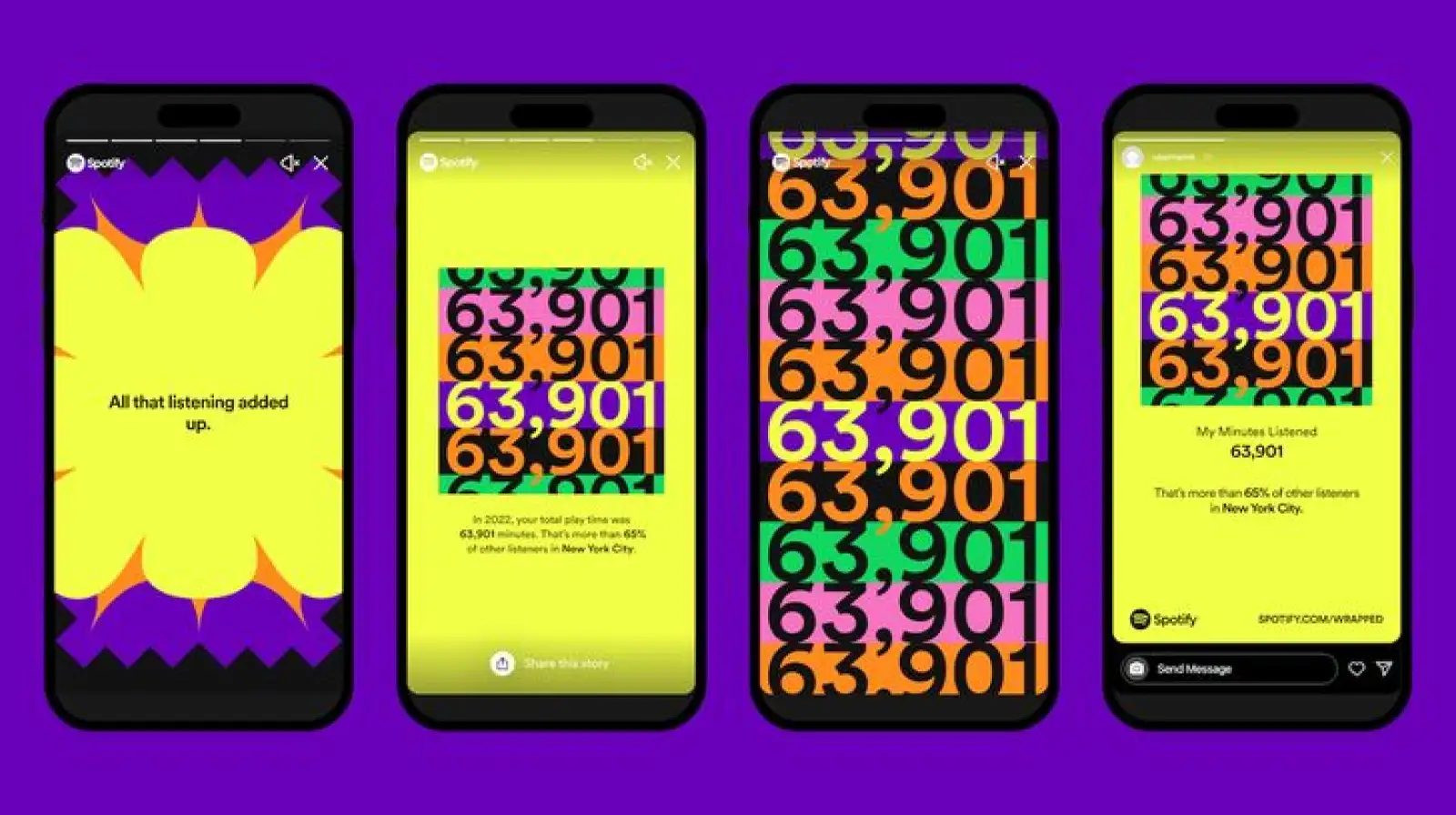
Spotify is a music-based app that releases an annual campaign of Spotify Wrapped. This content personalizes user data and therefore transforms analytics into something that brings excitement for the end-user.
5. OEO 101
This brand is also focused on educational marketing. The brand aligns the content to different types of training models. This means that each new content represents an advancement in technology, so user interest naturally increases.
6. Starbucks

Starbucks builds an emotional connection with their customers. They will use storytelling to depict a certain lifestyle and go with changes in trends to stay relevant. This makes every cup part of a global conversation.
7. Duolingo

The Duolingo Owl has now become a trademark in humorous marketing for most professionals. On platforms like TikTok and Instagram, humor is used to connect with the audience.
8. Patagonia

Look at Patagonia as a true example of making a brand personality and then attracting audiences who are already living that life. Authenticity drives Patagonia’s narrative in content marketing because they have always been true to themselves.. Their content reflects genuine sustainability rather than trendy claims.
9. Lush Cosmetics
Whether it comes to climate awareness, social injustices or even political trends, Lush does not shy away from taking a stance. This example shows us that by focusing on ethics, a brand can achieve true wonders.
10. Dove

Even though Dove operates in the beauty industry that is heavily criticized, it has still managed to use content marketing in a positive light. By focusing their campaigns on self-confidence, Dove tells its consumers that they are worth it.
11. Neutrogena’s Creator Studio
To show a positive side of the brand, Neutrogena took the initiative of hiring influencers for awareness. With this approach, they show the real hidden ways promotional strategies are made and how influencers work hand-in-hand with the brand.
12. Vidico × TikTok
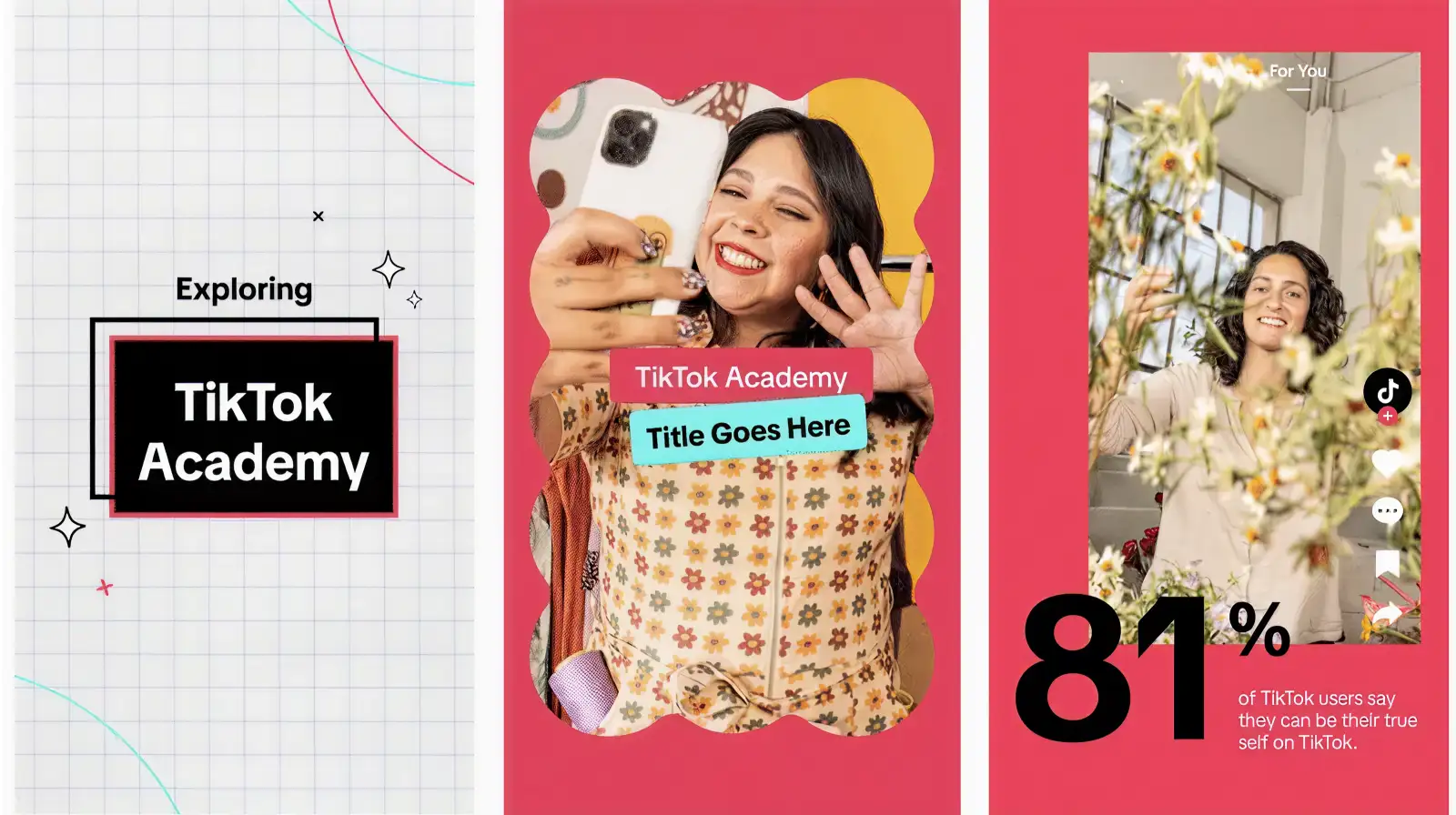
When TikTok launched Vidico it was a stroke of genius. Vidico will create videos for the TikTok creators with marketing excellence. A blend of creative storytelling and user insights are used that ensure success.
13. Ahrefs YouTube
Nobody knew Ahref before they decided to open their YouTube channel. They started providing free and high-value tutorials to the watchers. Although, they were doing it at a perceived loss, but it helped create higher authority and credibility that they know what they’re doing.
14. Canva Design School
Canva educates its users through free resources that are available for all. The design school acts as an introduction for new users to interact with Canva and they get comfortable on the platform. This builds long-term loyalty while showing off its product’s value.
15. Coca-Cola

“Share a Coke” turned customers into content creators. There are multiple other examples where Coca-Cola has used storytelling narratives to make the customer feel like they are part of the brand.
You can see how these content marketing plan examples differ by industry but share one trait: a clear understanding of audience and message. The secret weapon is to know exactly how to infuse content marketing with PR so that you build a narrative based on high credibility.
Why Your Brand Absolutely Needs a Content Marketing Strategy
Success starts with understanding your brand’s purpose with content marketing. Brands that document their strategy see higher ROI and stronger brand recall. For example, when Klic worked with small UAE startups, aligning tone, frequency, and promotion strategies led to 60% more qualified leads in under three months. That’s the real power of consistent strategy.
You should also know when to diversify because without a proper strategy, you don’t even know where you’re lacking. Develop a multi-channel content marketing strategy with the help of experts who know when and where to target customers.
Conclusion
A clear strategy lets your brand move from chaos to clarity—connecting ideas, goals, and people seamlessly. Whether your goal is lead generation, awareness, or long-term brand authority, your plan is the key. Let Klic craft one that brings measurable growth, credibility, and visibility across every digital touchpoint.