Anyone who’s run an online store knows the feeling—traffic rolls in, but only a fraction actually buys. That’s the reality for most, and it’s why ecommerce conversion rate optimization matters so much. It focuses on tweaking your site to get more of those visitors to complete a purchase, often without spending extra on ads.
Heading into late 2025, benchmarks haven’t shifted dramatically. Actual data from Shopify stores states that newer stores average around 1.4% and top performers tend to push beyond 3.2%. These numbers vary by niche—impulse categories like beauty do better, higher-ticket items lower.
The beauty of ecommerce conversion rate optimization lies in its leverage. Small, data-backed changes can lift those percentages and directly impact revenue. This guide from Klic covers the fundamentals and steps that have helped stores improve steadily.
What is Conversion Rate Optimization?
At its core, conversion rate optimization is about improving your site’s effectiveness at turning visitors into customers. In ecommerce conversion rate optimization you are making specific targets that relate to customer purchases. The whole process of CRO requires tools to track behavior and helps pinpoint issues in the conversion funnel. In addition, platforms such as Optimizely or VWO handle testing while Google Analytics or Adobe Analytics provide the metrics.
Figures like Peep Laja and Craig Sullivan have shown time and again that focusing on user experience drives the best results in ecommerce conversion rate optimization. But it is also important to focus on tweaks that come on the basis of evidence collected from your website.
What is A/B Testing?
- Split Testing Fits in: A/B testing remains a go-to method in ecommerce conversion rate optimization. You compare two versions of an element on your e-commerce platform to see what works best. Klic has worked to improve CTAs or PPC services work to improve keyword selection.
- Real-World Applications: Tests often reveal surprises, like how highlighting product features more clearly reduces hesitation. Start with a hypothesis grounded in data, such as “Stronger trust signals will improve checkout completion.”
- Running Effective Tests: Tools like Instapage for pages or VWO for broader experiments simplify the process. Aim for enough traffic to reach significance, then apply learnings. This iterative approach fuels ongoing ecommerce conversion rate optimization.
What is the Ecommerce Conversion Rate?
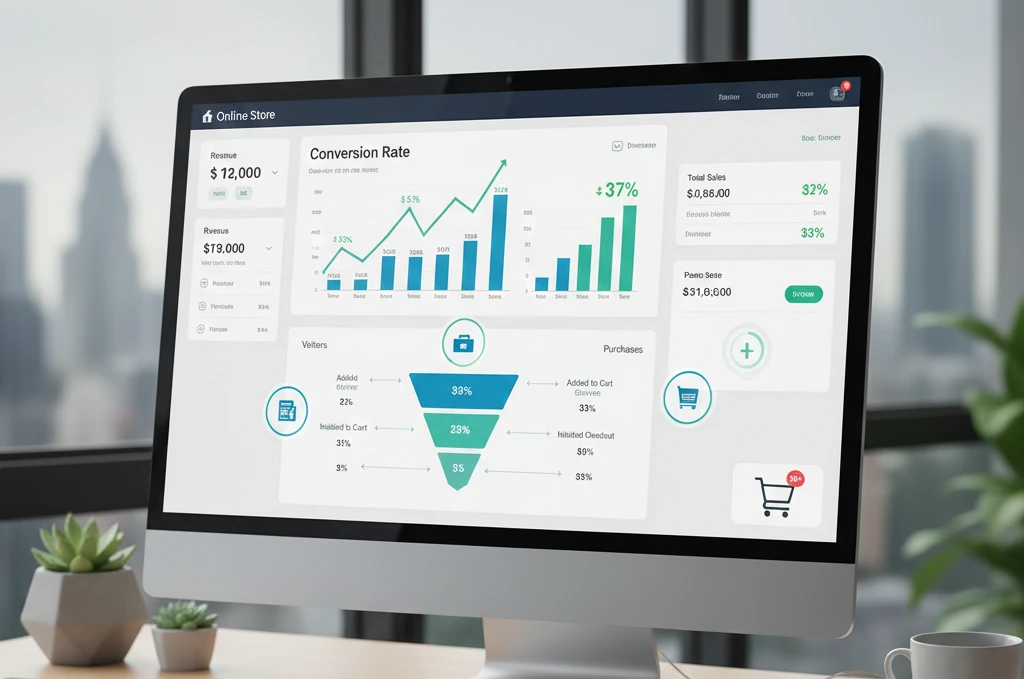
Your ecommerce conversion rate is straightforward. Percentage of visitors who make a purchase make the total orders and these are divided by sessions. To bring a percentage it is multiplied by a 100 and you get your number.
Dips might stem from UI/UX friction or funnel leaks. Consistent ecommerce conversion rate optimization efforts tend to yield gradual lifts. But it is worth noting that an e-commerce CRO is much different from a CRO done for a website. A successful conversion rate optimization agency can get both done for you but knowing the difference is the real deal.
How to Set Up a Successful E-Commerce CRO Strategy?
Effective ecommerce conversion rate optimization follows a process that can be repeated multiple times. It is definitely not achieved by random changes or this success only happens once. Become a successful well-achieving e-commerce platform by doing this:
Begin by Tracking Analytics
Solid setup in Google Analytics is very important for your brand. You can monitor how the audience is moving on your platform. This includes making a count of bounce rates, add-to-cart numbers and abandonment points. Using CRO tools can help a lot in this phase of CRO by using heatmaps or FullStory for replays of customer journeys and to see user struggles firsthand.
Come Up With New Ideas
Spotting opportunities is not easy but if you become a pro at it then it becomes obvious. To become a pro, you need to understand how to use and optimize data. It can highlight priorities and show weak points like product descriptions or unclear CTAs. The rest of the process after this is simply to use your mind and creatives to come up with something that makes sense for your brand and your audience.
Ranking Changes
Weigh impact against effort when you’re at this phase of ecommerce conversion rate optimization. Many brands tend to find simple frameworks helpful for deciding what to tackle first. Explore more in these conversion rate optimization best practices.
Test & Learn
Launch tests via Unbounce or similar tools. Avinash Kaushik’s advice rings true in this regard because every outcome teaches something valuable. If you know how to conduct A/B testing then you can find out exactly what kind of CTA is working best, what product description grabs most attention and how to turn abandoned carts into purchased orders.
Post-Publishing Changes
Implement winners site-wide, but keep watching performance. Different things can change about your brand or industry, from audience behavior to product demand. So ecommerce conversion rate optimization stays ongoing.
7 Signs Your Ecommerce CRO Strategy is Good
Strong strategies show through site elements that encourage buys:
- The Checkout Process: Few steps, guest options, and no surprises keep abandonment low.
- Inclusion of Trust Signals: Security icons and guarantees reassure shoppers.
- Product Reviews: Genuine feedback with photos builds confidence.
- Mobile Friendly Website: Seamless on phones, critical with mobile’s dominance.
- Addition of Live Chat Feature: Instant help resolves doubts quickly.
- User Search Intention: Smart on-site search delivers what people want.
- Product Descriptions: Benefit-oriented, scannable bullets detailing features.
These support solid user experience and contribute to better ecommerce conversion rate optimization outcomes. For platform tips, check Shopify CRO approaches.
Ecommerce CRO Checklist from Klic
Audit your store with these essential aspects within your CRO strategy. Your page speed needs to be under 3 seconds and it is also important to have prominent or compelling CTAs. There is a need for varied and high-resolution product images to be used along with customized recommendations for cart recovery and other details. There is also a strategy to automate different processes like auto-filling forms and offering diverse payment choices.
Get Your Ecommerce CRO Done from Klic Now!
Klic operates as a Dubai-based digital marketing platform, linking brands to experts in areas like social media, content, and ecommerce conversion rate optimization. A popular option avoids upfront costs entirely, taking only a share from generated profits in certain plans—tying results to incentives. Stores often pair this with PPC services or evolving content trends. Partnering with a focused conversion rate optimization agency accelerates improvements and a lot more CRO related benefits.
Quick questions? The WhatsApp contact makes it easy to start a conversation.
Conclusion
Success in the digital marketplace belongs to those who treat conversion rate optimization as a marathon, not a sprint. By grounding every design and copy change in hard data, brands move away from guesswork and toward guaranteed results. These compounded improvements do more than just lift metrics; they redefine a brand’s bottom line. In an increasingly crowded space, a relentless focus on optimization is what separates the market leaders from the rest of the pack. Ecommerce conversion rate optimization rewards patience and data focus. Compounded changes from Klic turn average performance into standout revenue.